
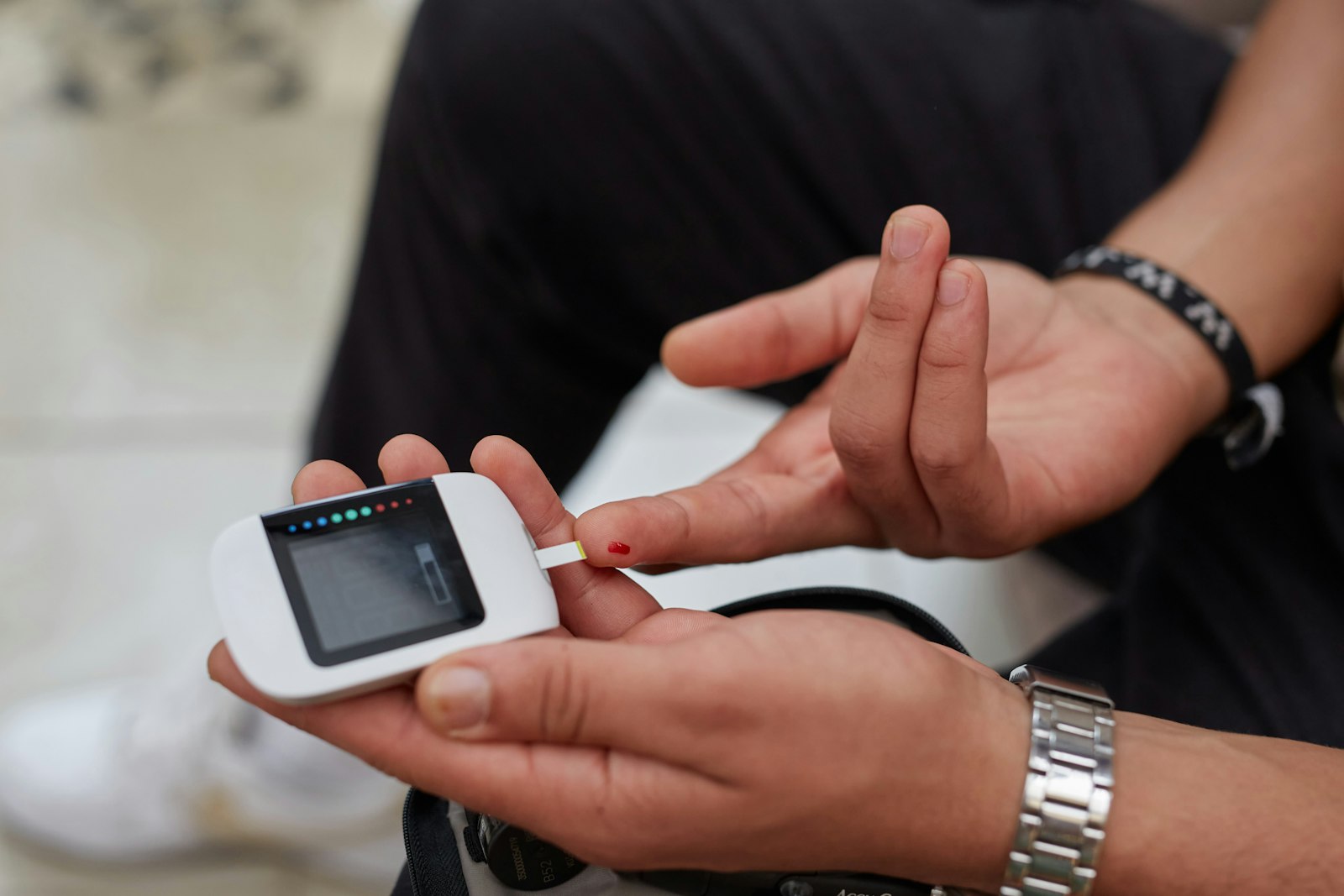
The Progressive Nature of Type 2 Diabetes
Type 2 diabetes rarely arrives all at once. For most people, blood sugar drifts upward gradually — often for years before any formal diagnosis. By the time a doctor first writes "Type 2 diabetes" in the chart, subtle damage is frequently already underway in the nerves, the eyes, the kidneys, or the vascular system. The disease that the SSA eventually evaluates is the cumulative result of that long, often invisible runway.
That gradual trajectory shapes the entire disability picture. Where a Type 1 case might hinge on a few dramatic events, a Type 2 case is usually a story of accumulation — peripheral neuropathy in the feet, retinopathy in the eyes, declining kidney function, and cardiovascular disease all compounding over time. No single complication may look catastrophic on a given day, but together they can erode work capacity to the point where full-time employment is no longer realistic.
This is why a documented treatment history matters so much. A strong Type 2 file shows the escalation of interventions: diet and exercise first, then metformin, then a second oral agent, then injectables like GLP-1 receptor agonists, and eventually insulin. Each step in that sequence is evidence that your providers and you have been treating the disease aggressively — and that the disease has progressed anyway.
The SSA evaluates progression rather than a snapshot. A single A1C result or one good clinic visit tells them very little. What tells them something is a timeline — a coherent record of how your condition and your function have changed across years of treatment.
Multi-Complication Strategy
Most Type 2 cases are not won on the strength of any one complication. They are won by combining several — none of which may meet a Blue Book listing on its own, but which together establish a Residual Functional Capacity (RFC) that rules out sustained full-time work. The art of the Type 2 claim is mapping each of your complications to its proper body system listing, then showing the adjudicator how they interact.
Peripheral Neuropathy
Most common complication. Numbness, burning pain, and balance problems that limit standing, walking, and fine manipulation. Evaluated under Listing 11.14 or RFC.
Read the full guideRetinopathy
Blurred vision, dark spots, and visual field loss from diabetic damage to the retina. Evaluated under Listings 2.02–2.04 for visual acuity and field deficits.
Read the full guideNephropathy
Declining GFR and progressive chronic kidney disease — eventually requiring dialysis or transplant. Evaluated under Listings 6.02–6.03.
Read the full guideCardiovascular Disease
Coronary artery disease, congestive heart failure, and peripheral arterial disease are frequent in long-standing Type 2. Listings 4.02, 4.04, and 4.12 apply.
Read the full guideGastroparesis
Nausea, vomiting, and unpredictable digestion from vagal nerve damage. Evaluated under Listing 5.08 and RFC for absence and off-task time.
Read the full guideDepression / Anxiety
Frequent comorbidity that compounds physical limitations and reduces persistence and pace. Evaluated under Listings 12.04 and 12.06.
Read the full guideThe "Despite Treatment" Standard
The SSA does not just want to know you are sick. It wants to know that you are receiving treatment and that, despite that treatment, you still cannot work. For Type 2 claims, that means the file has to make the treatment record obvious — every oral agent, every injectable, every change in regimen — and then show that your function is still limited even on the best therapy your providers have offered.
Document the full medication history. Metformin failed at 1500 mg daily; switched to combination therapy with a DPP-4 inhibitor; added a GLP-1 agonist; eventually escalated to basal insulin and then basal-bolus. That kind of arc tells the adjudicator that this is not a case of non-compliance — it is a case of progressive disease outrunning aggressive treatment. Pair the medication timeline with A1C trends, weight changes, and any side effects that limited what your providers were willing to prescribe.
Then document persistent symptoms despite optimal treatment. The neuropathy that still keeps you off your feet by mid-afternoon. The retinopathy that still blurs the screen by late morning. The fatigue that still flattens you on insulin. The SSA expects to see those symptoms in the notes of the specialists who treat them — not just mentioned by you, but charted, examined, and followed over time.
How Age Affects Your T2D Claim
One of the most underappreciated facts about Social Security disability is that age matters — a lot. The SSA's vocational grid rules, which guide Step 5 of the sequential evaluation, become significantly more favorable as you get older. The premise is straightforward: it is harder for a 58-year-old machinist with neuropathy to retrain into a new line of sedentary work than it is for a 35-year-old with the same condition. The grid rules formalize that reality.
You must prove you cannot do ANY work in the national economy, including unskilled sedentary work. The grid rules do not yet favor you, so the medical evidence has to do all of the heavy lifting.
The SSA considers whether you can adjust to new work given your age, education, and skills. Vocational rehabilitation realism becomes a factor — not every transition that looks possible on paper is plausible at this age.
You are generally limited to past work or closely related work. The SSA assumes that adapting to substantially different work is unrealistic at this stage of career, which sharply lowers the bar for approval.
A very strong position if you cannot do your previous work. The vocational grid presumes minimal capacity to learn new occupations, and even moderate exertional limitations frequently direct a finding of disability.
Type 2 FAQ
Can I get disability for Type 2 if it's well-controlled?
Disability for Type 2 isn't about your A1C — it's about your complications. Even with optimal blood sugar management, accumulated complications like neuropathy, vision loss, or kidney disease can be disabling. The "control" question is whether your complications respond to treatment, not just your glucose.
Does my weight or lifestyle affect my claim?
The SSA cannot deny a claim because the condition is "lifestyle-related." What matters is whether your current medical condition limits your ability to work. Type 2 etiology has no bearing on disability evaluation.
I'm 58. Does my age really make a difference?
Yes — significantly. SSA's vocational grid rules become much more favorable at 50, more so at 55, and most favorable at 60. At 58, the SSA assumes you cannot easily adapt to new lines of work, which substantially lowers the bar for approval.
I haven't worked in years. Can I still apply?
It depends on when you last worked. SSDI requires recent work credits — generally, you must have worked 5 of the last 10 years. SSI is needs-based and has different rules. The free evaluation will identify which program you qualify for.